Top 6 Y2K Aesthetic Games That Scream 2000s Gaming
The turn of the millennium brought us more than just anxiety about computers crashing – it delivered some of the most stylistically bold, creatively audacious video games ever made. These y2k aesthetic games embraced neon colors, experimental gameplay, and a fearless sense of cool that still resonates today. Let’s rank six iconic titles that captured the essence of early 2000s gaming culture.
6. Shadow the Hedgehog (2005)
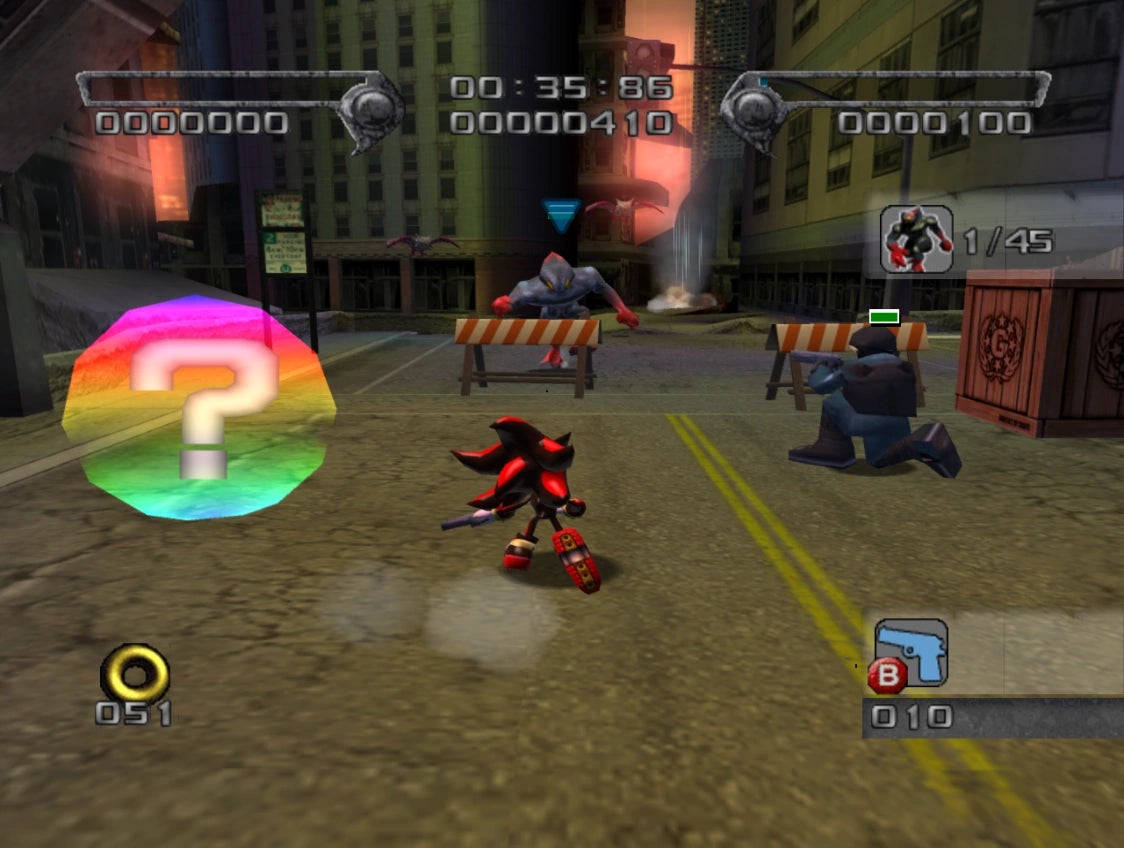
What happens when you take Sonic’s cool rival and give him guns, motorcycles, and an angsty backstory? You get Shadow the Hedgehog, one of the most divisively Y2K games ever made. Sega’s attempt to make Sonic “edgier” resulted in a game where Shadow wielded assault rifles while brooding about his past to a nu-metal soundtrack. The branching path system and multiple endings were ambitious, and despite the critics, the game found its audience among fans who embraced its over-the-top take on what “mature” gaming looked like in the mid-2000s. It’s pure early 2000s edge, for better or worse.
5. ParaParaParadise (2000)
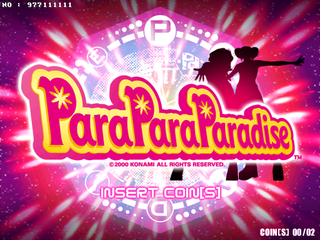
This unique y2k game brought Japanese para para dancing to arcades worldwide with motion-sensing controllers that tracked your arm movements. Apparently Players waved their arms through infrared sensors in time with J-pop and Eurobeat tracks however using the controller works just fine. While it never achieved the mainstream success of Dance Dance Revolution, ParaParaParadise perfectly captured the experimental, “why not?” energy of early 2000s rhythm games. Its commitment to a specific dance subculture made it a fascinating time capsule of Y2K-era Japan.
4. Bust a Groove 2 (2000)
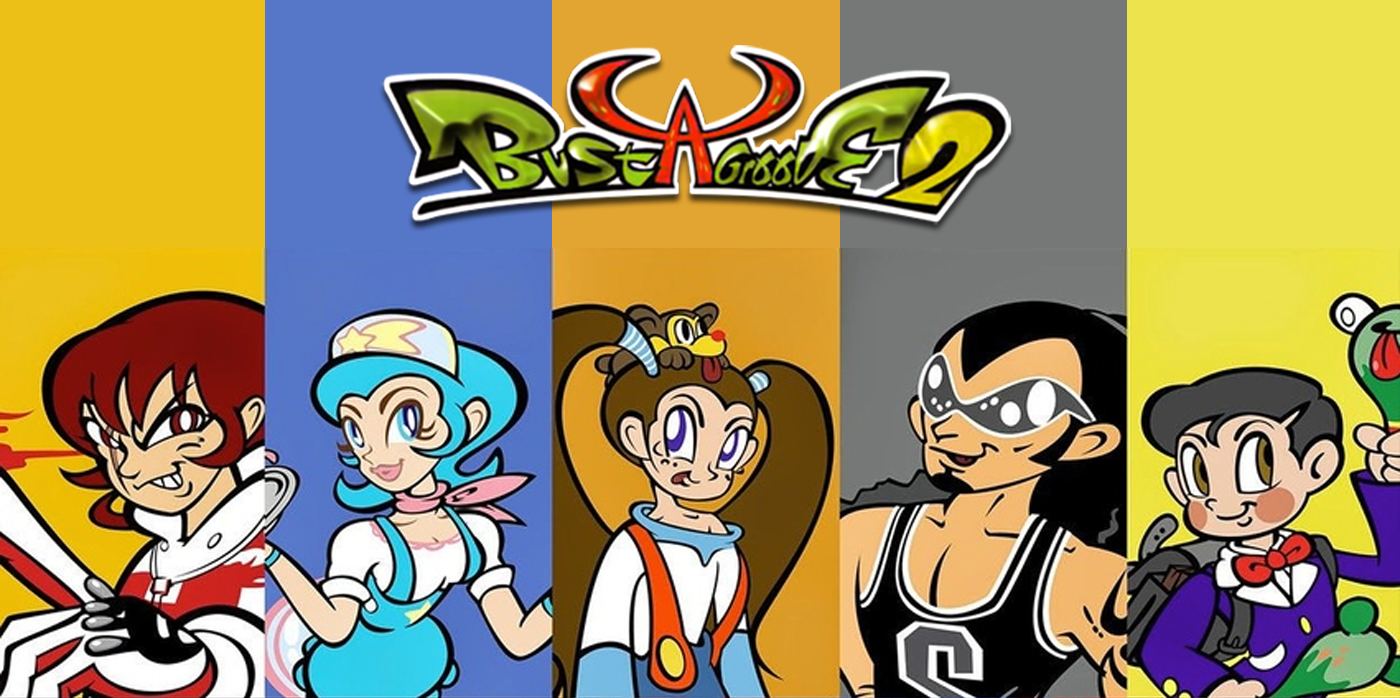
Speaking of rhythm games, Bust a Groove 2 brought hip-hop, house, and J-pop together into one of the most stylish music games of its generation. The character designs screamed Y2K with their baggy pants, platform shoes, and technicolor hair. What set this y2k aesthetic game apart was its combination of dancing and battle mechanics – players had to nail their moves while disrupting opponents with perfectly timed attacks. The game’s fashion-forward characters and infectious soundtrack made it feel like an interactive music video from the era.
3. Final Fantasy X-2 (2003)
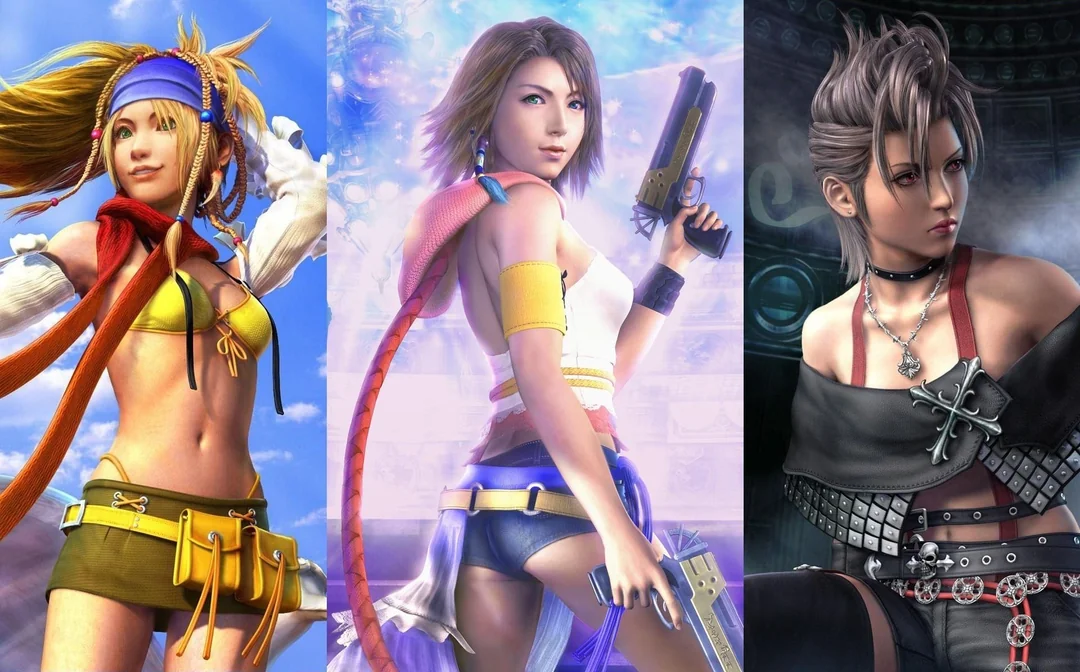
The in-game-outfits alone make this a strong contender in the ranking. While not a y2k dress up game it has interesting elements- a Dressphere system letting players change jobs by switching outfits mid-battle – was revolutionary. Yuna’s transformation from somber summoner to pop-star-esque sphere hunter divided fans, but the game’s embrace of feminine energy, J-pop aesthetics, and campy fun made it quintessentially early 2000s. The mission-based structure and lighter tone felt fresh after X’s heavy narrative, and the combat system remains one of the series’ most engaging.
2. Space Channel 5 (1999/2000)
Ulala’s intergalactic dance-off against aliens epitomized everything cool about Y2K futurism. This rhythm game dripped with 1960s mod fashion filtered through a late-90s lens, creating a retro-futuristic aesthetic that defined y2k aesthetic games. The simple “up, down, chu, chu, chu” gameplay belied deeper timing challenges, while celebrity cameos (including Michael Jackson in the sequel) added to its pop culture cachet. Space Channel 5 proved that Y2K gaming didn’t need to be dark or realistic – it could be joyful, colorful, and unabashedly weird.
1. Jet Set Radio (2000)
Nothing captures the spirit of y2k games quite like Jet Set Radio. Sega’s cel-shaded masterpiece combined inline skating, graffiti tagging, and evading authorities into one revolutionary package. The game’s visual style – with its comic book aesthetics and bold outlines – looked unlike anything else on store shelves. But it was the complete package that secured its legendary status: Hideki Naganuma’s genre-blending soundtrack, the rebellious youth culture themes, and gameplay that made you feel genuinely cool as you grinded rails and tagged walls across Tokyo-to.
The game’s influence extends far beyond its sales numbers. Its visual style pioneered cel-shading techniques that countless games would adopt. Its attitude and aesthetic continue inspiring indie developers today. Jet Set Radio understood what made the Y2K era special – a moment when technology, youth culture, and creativity collided to create something that felt genuinely new. It wasn’t trying to be edgy or mature; it was confident enough to be colorful, playful, and uncompromisingly itself.
The Y2K Gaming Legacy
Trends take over decades and people who choose to reflect their work in an unorthodox way get left behind the algorithm, that is until they comply with a uniformed tiktok formula explained by an e-commerce expert who studied philosophy at university before dropping out. Anyways, to me this period reflects a time where designs were loud, and marketing “experts” had no clue what the next big thing would be. No science would predict what the back then wild-west-like internet would love.
These games represent more than nostalgia – they capture a moment when developers were willing to take creative risks that feel rare in today’s market. Whether through innovative rhythm gameplay, bold visual styles, or experimental mechanics, these titles pushed boundaries. The y2k aesthetic games on this list remind us that gaming’s most memorable moments often come from its most fearless creative swings.
Which of these Y2K classics defined your early 2000s gaming experience? Each brought something unique to the table, from dancing and dress-up to graffiti and groove. Together, they created a gaming landscape that was more colourful, experimental, and unapologetically fun than ever before.
If you’ve Googled xbox controller custom .co.uk recently, you’ve probably noticed a trend: Everything is expensive. Most Official UK custom enthusiasts are obsessed with “Pro” gaming. They take a standard…
How to Find Legitimate Gaming Giveaways in the UK Without Getting Scammed (2026) Over 2.5 million UK gamers search for free games and console giveaways each year, but most never…
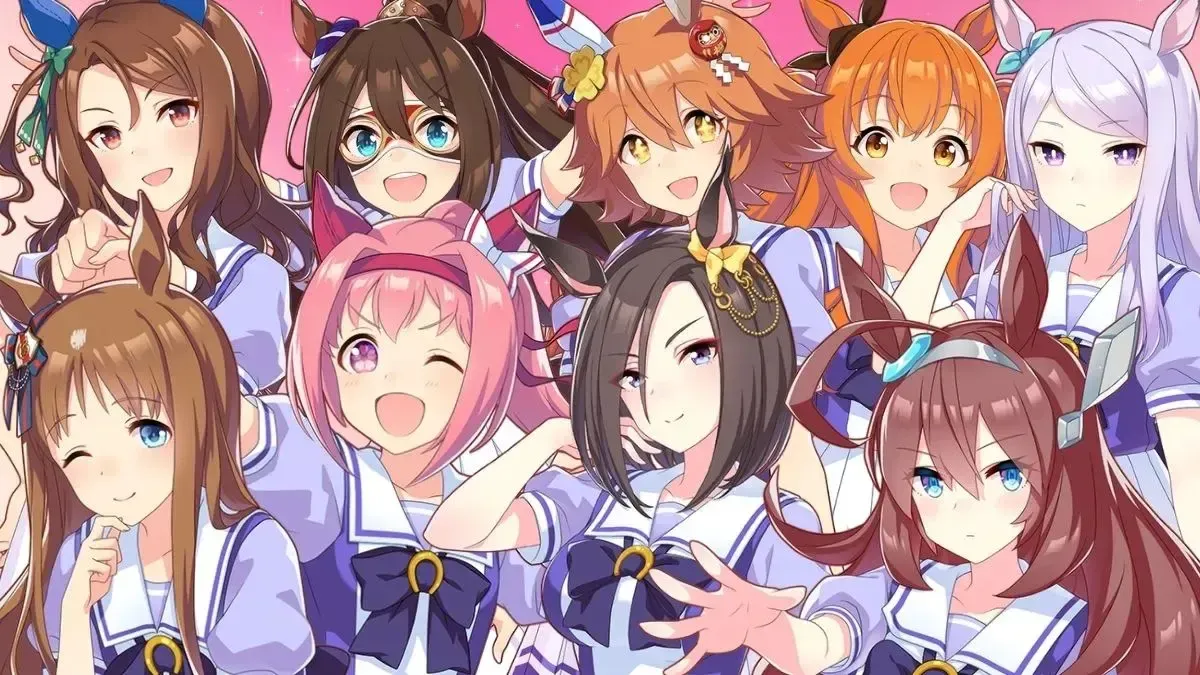
The world of mobile gaming has been revolutionized by gacha games – free-to-play titles where players collect characters through a randomized system inspired by Japanese capsule toy machines. For those…
The turn of the millennium brought us more than just anxiety about computers crashing – it delivered some of the most stylistically bold, creatively audacious video games ever made. These…
Doesn’t matter if you’re looking for gifts for ps4 gamers or maybe cool gifts for xbox gamers. We’ve got you covered with picking some brilliant ideas for gamer gifts in…
Rechargeable battery packs are getting bigger in capacity, and so are the choices! Let’s explore everything you should know about rechargeable Xbox One battery options, with special focus on customisation…
Gaming controllers are constantly breaking and getting tossed in the trash, which is seriously adding to our e-waste problem. But there’s a better way – refurbishing these controllers can make…
So, you want to up your PlayStation game with a custom PS5 controller? I totally get it. After spending way too many hours researching this (when I should’ve been studying…